City parkAmsterdam
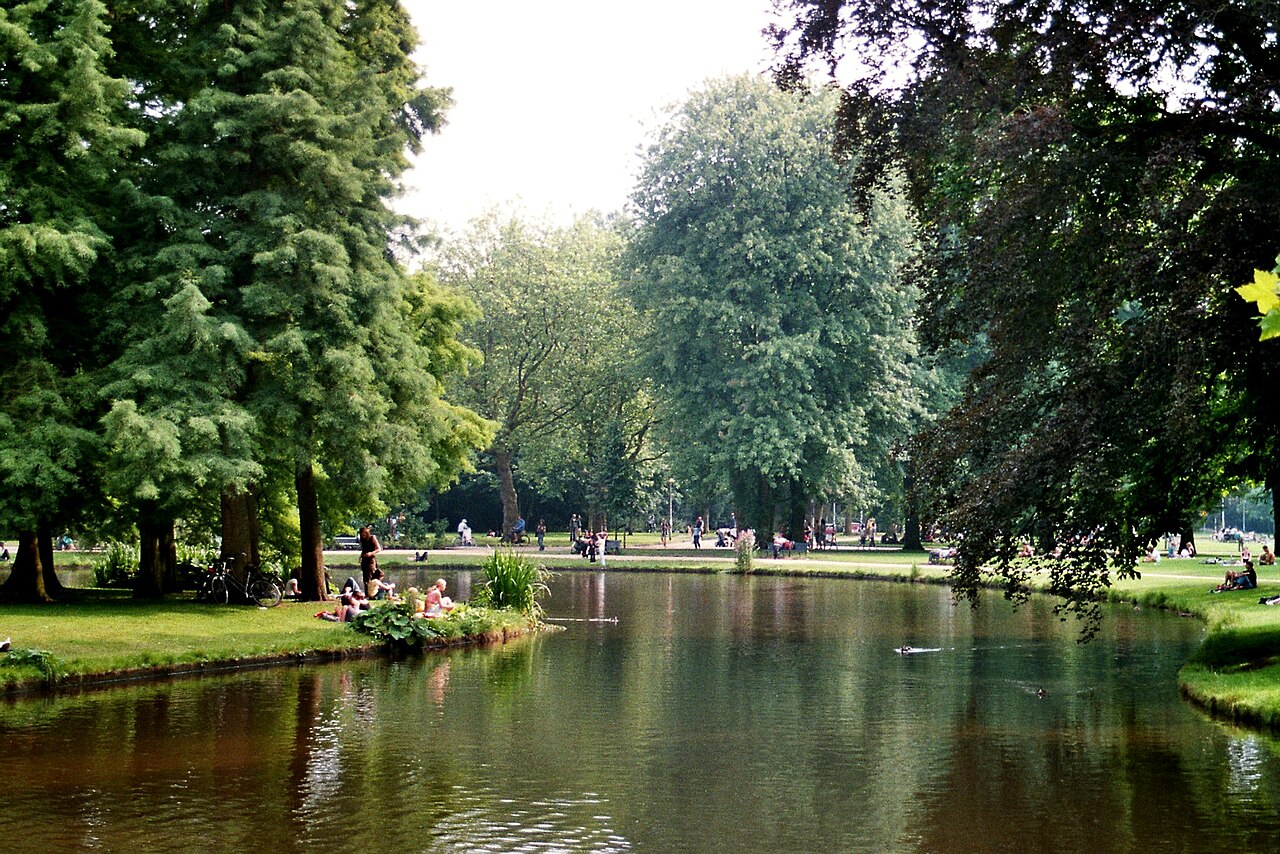
Vondelpark
Amsterdam's most-loved park: 47 hectares of winding ponds, lawns and an open-air theatre, a few minutes from the Museumkwartier.
 OasePark
A curated guide to the Netherlands’ urban green spaces — city parks, pocket gardens, forests and nature escapes in and around Dutch cities. Browse, filter, and save the ones you love.
Amsterdam's most-loved park: 47 hectares of winding ponds, lawns and an open-air theatre, a few minutes from the Museumkwartier.
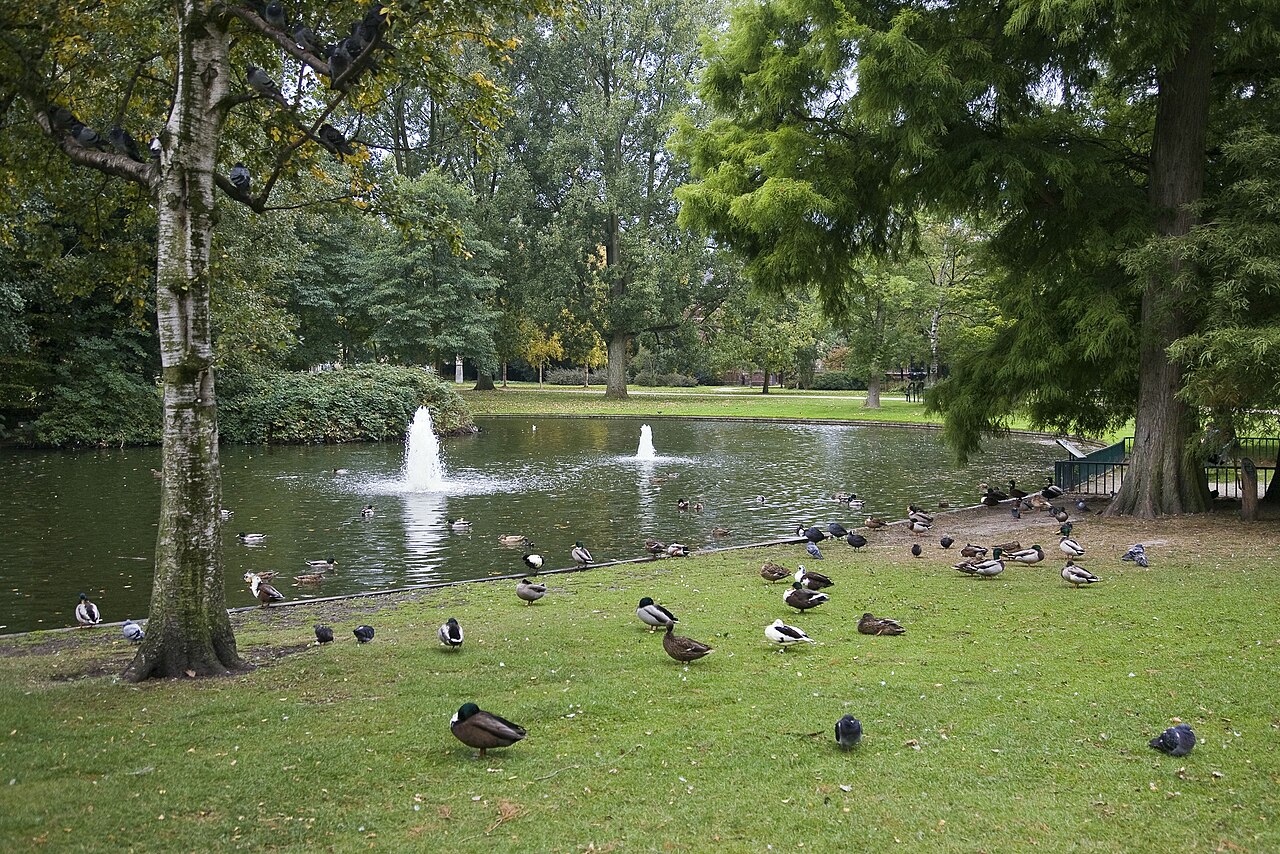
A lively green strip wrapped around the Westergas culture complex — meadows, water and former gasworks turned bars and galleries.
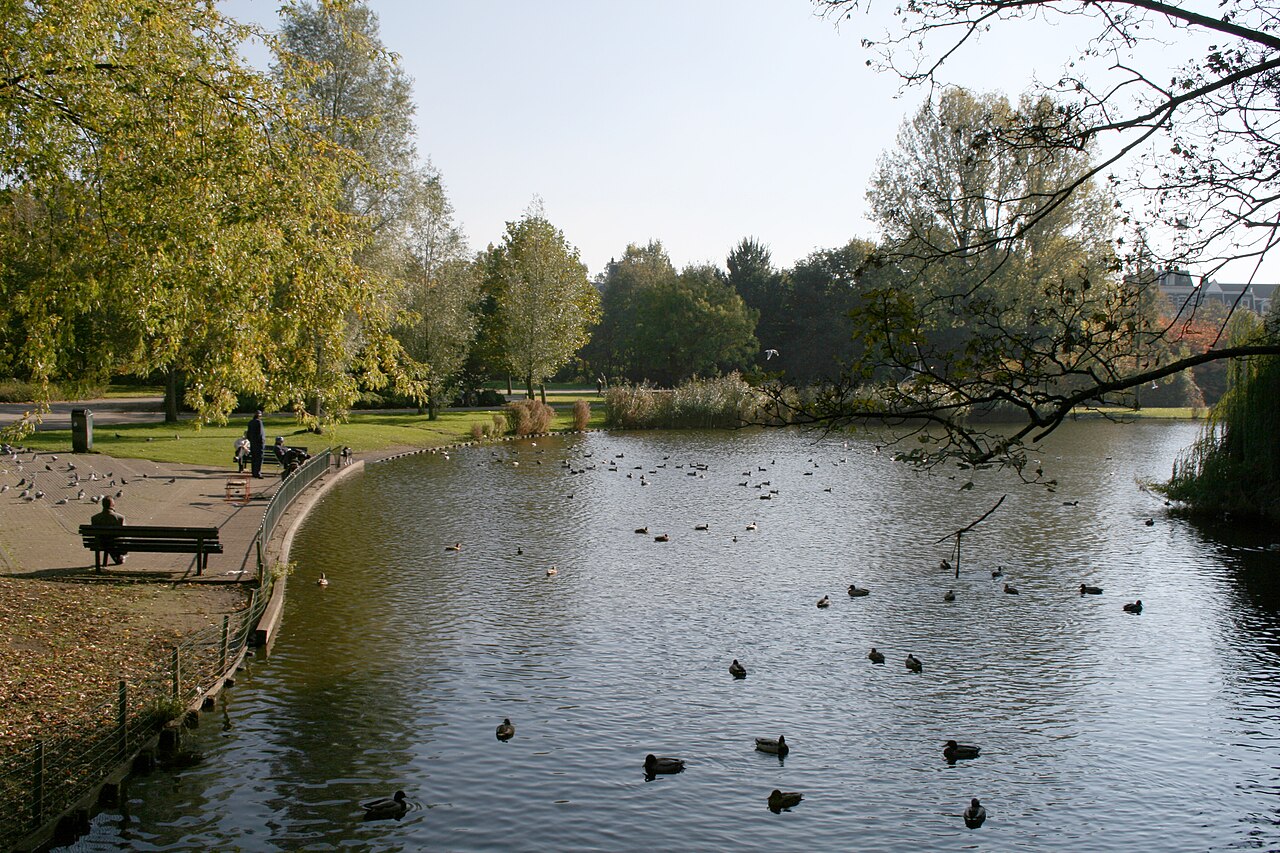
Amsterdam's first large public park (1891), an English-landscape oasis with curving ponds beside the Tropenmuseum.
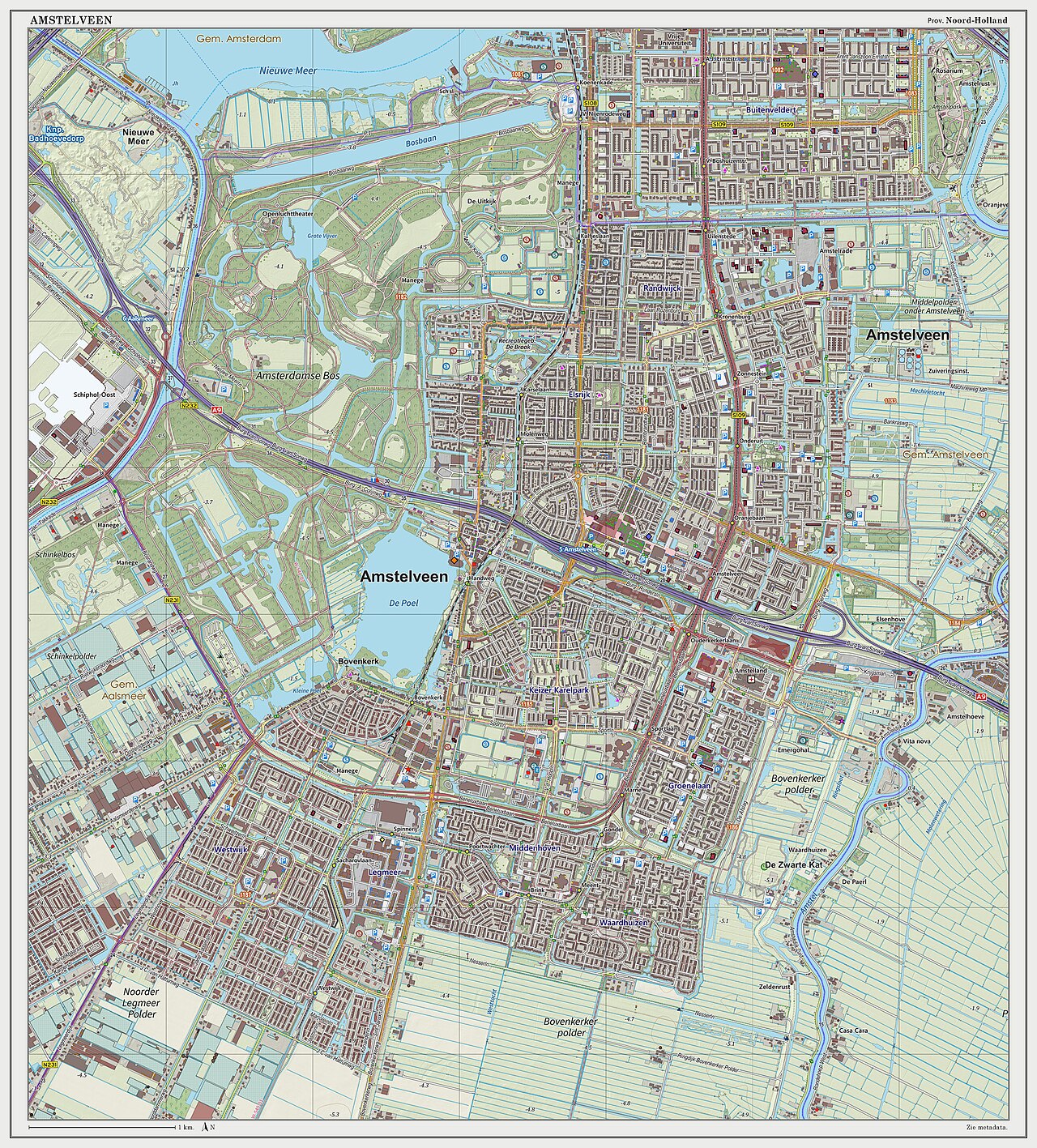
A vast man-made forest three times the size of Central Park, with a rowing course, goat farm and miles of cycle paths.
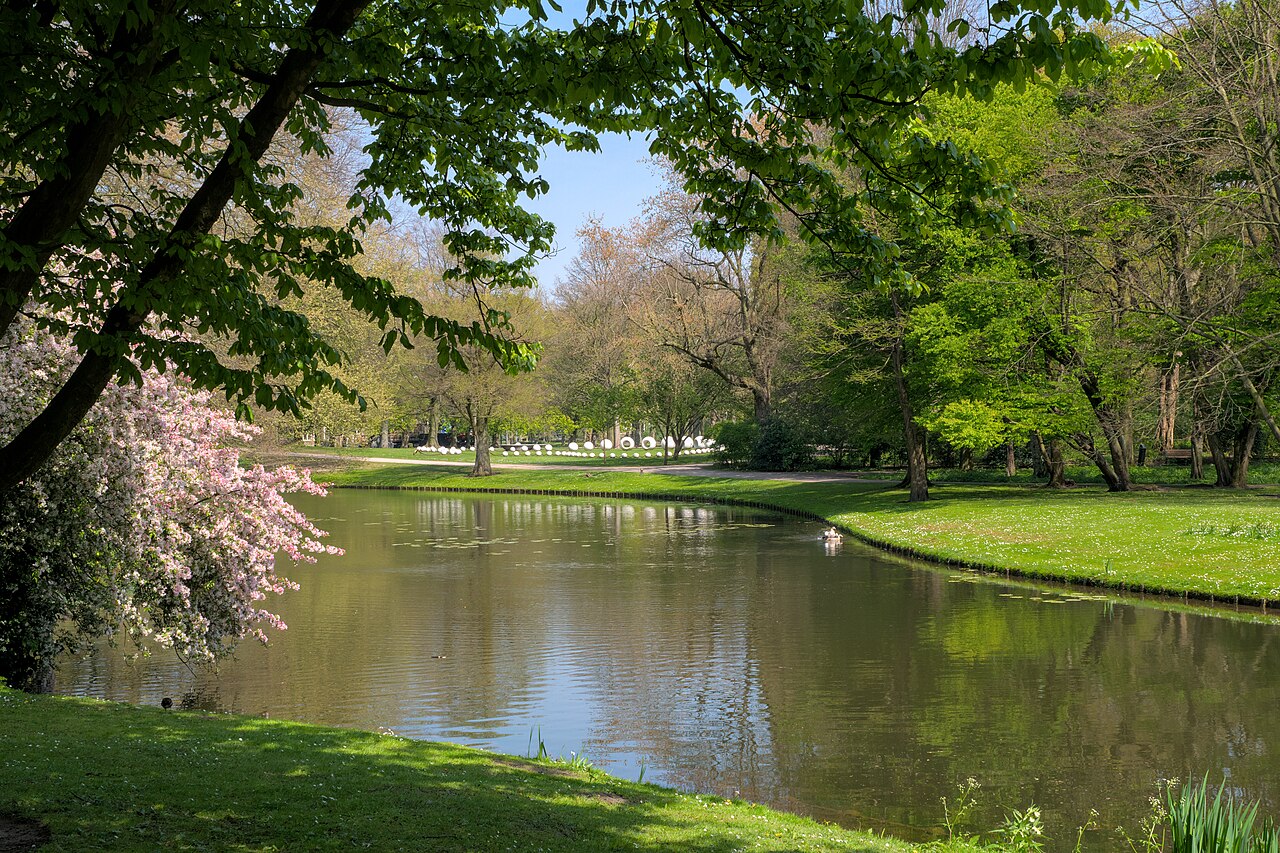
Rotterdam's elegant 19th-century park at the foot of the Euromast, with grand trees, ponds and river views.
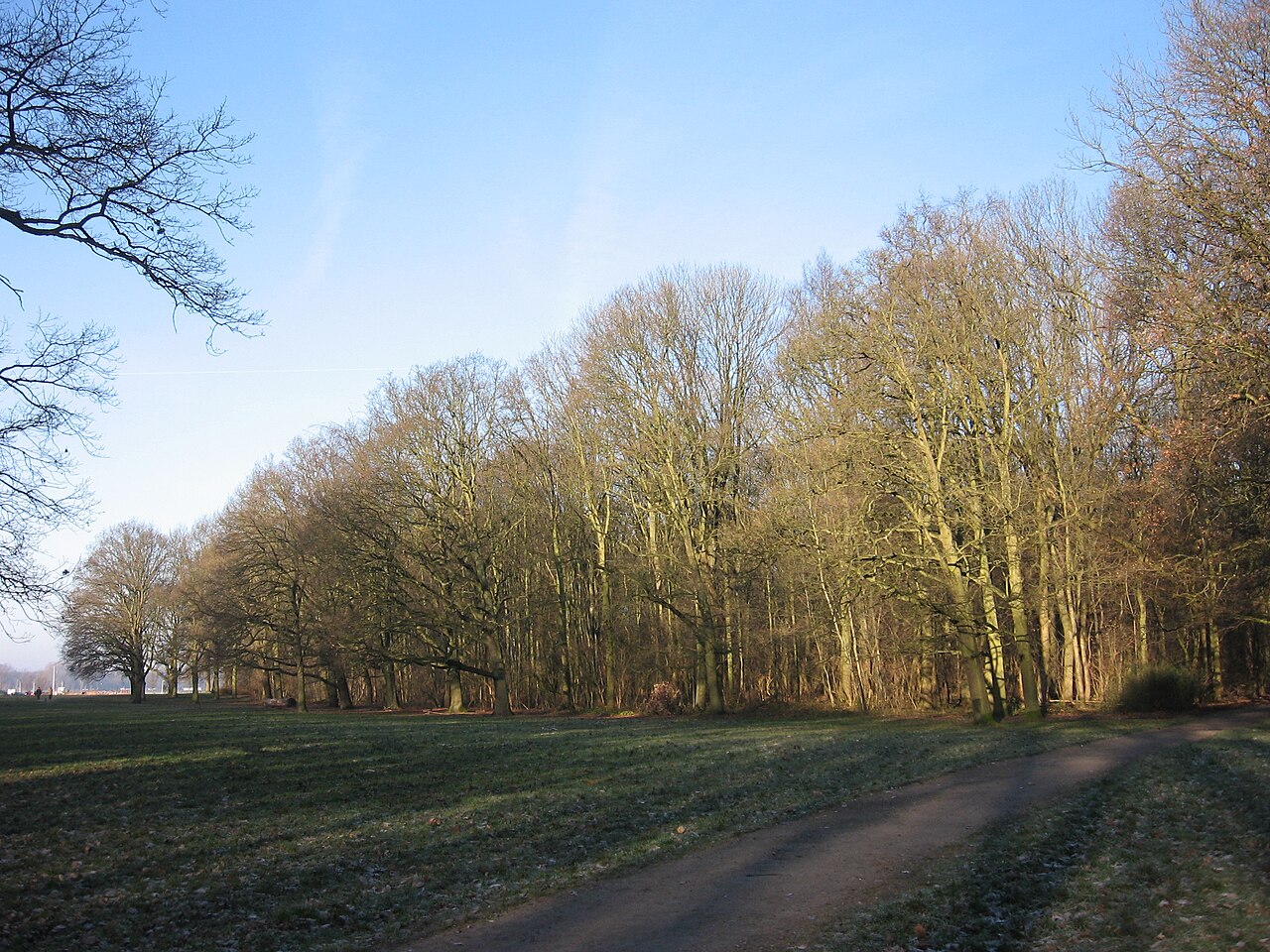
A forest around a large lake on Rotterdam's east side, with historic windmills and a beach-like shore.
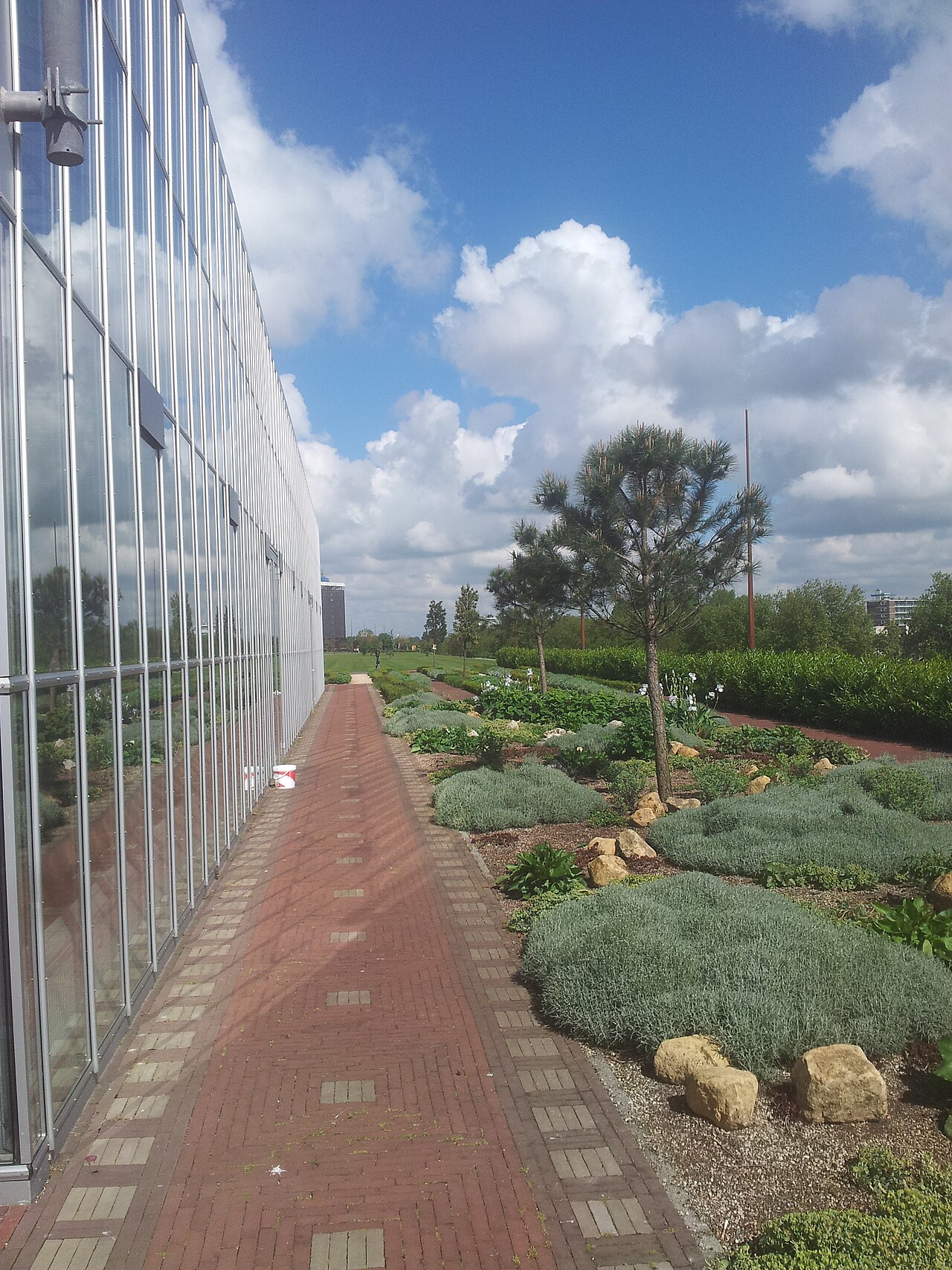
One of Europe's largest rooftop parks — a 1 km green roof over a shopping strip, with a community garden and lawns.
A spacious people's park in The Hague with sports fields, a rose garden and a big natural playground.
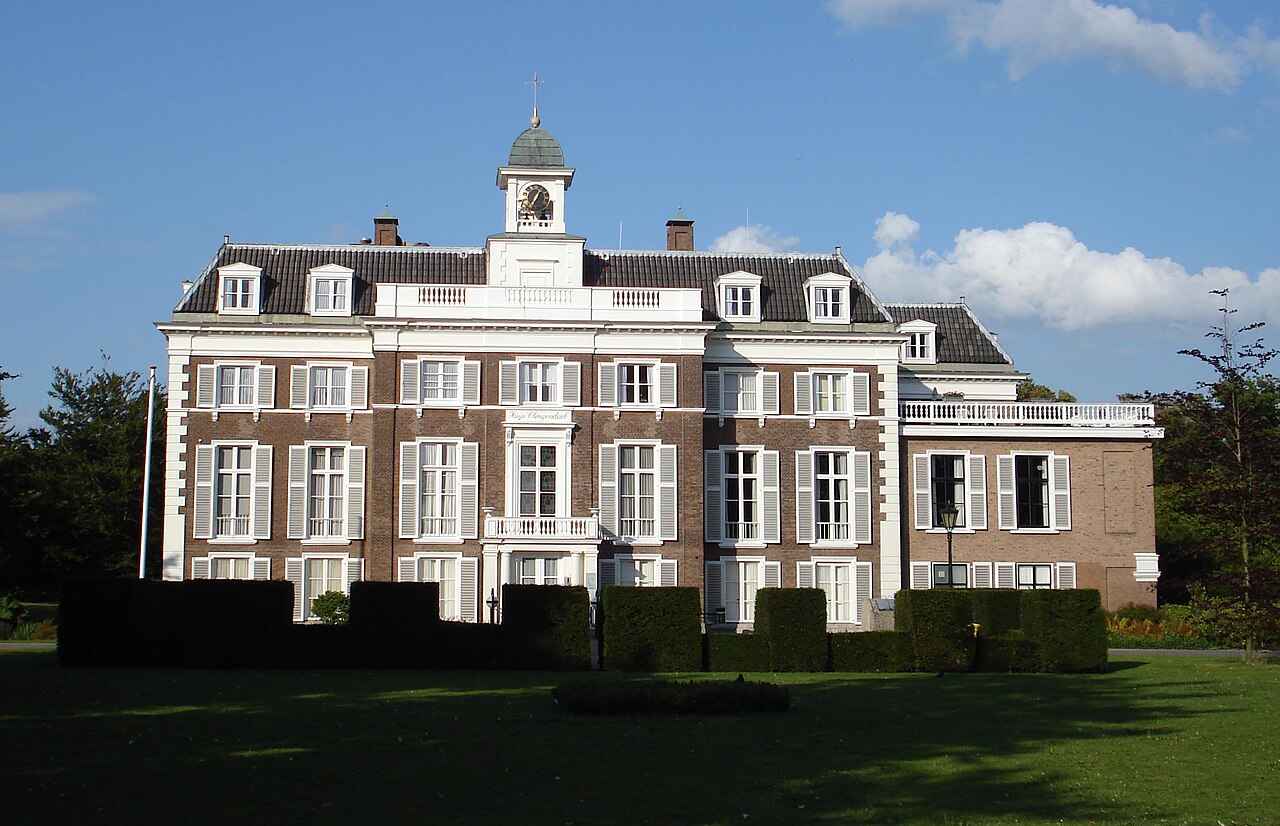
A historic country estate famous for its Japanese garden — open only a few weeks a year — set in rolling parkland.
An English-landscape park near Scheveningen beach, renowned for one of the Netherlands' largest rose gardens.
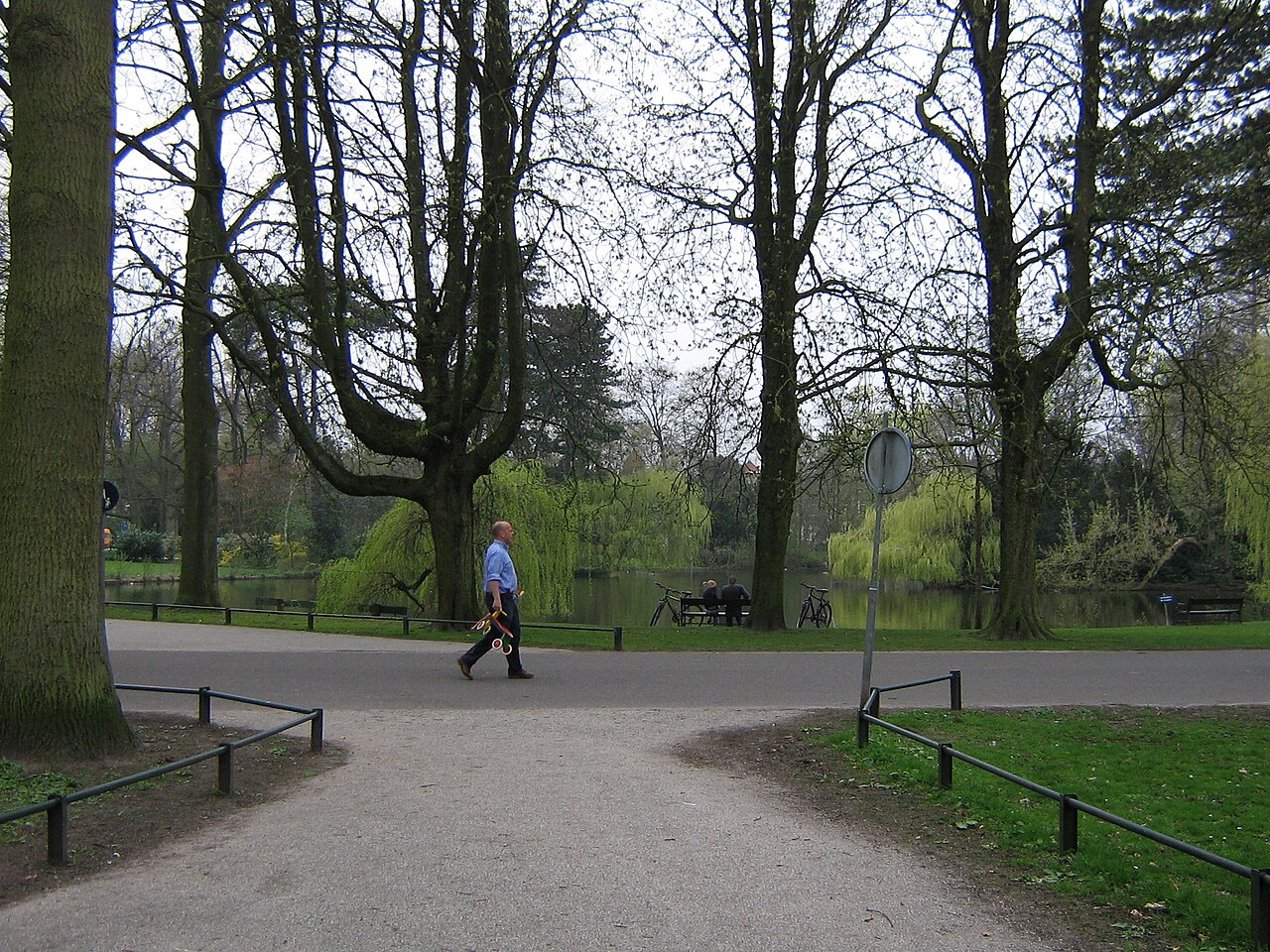
A genteel 1898 park in Utrecht-Oost with a large pond, monumental trees and a popular pavilion café.
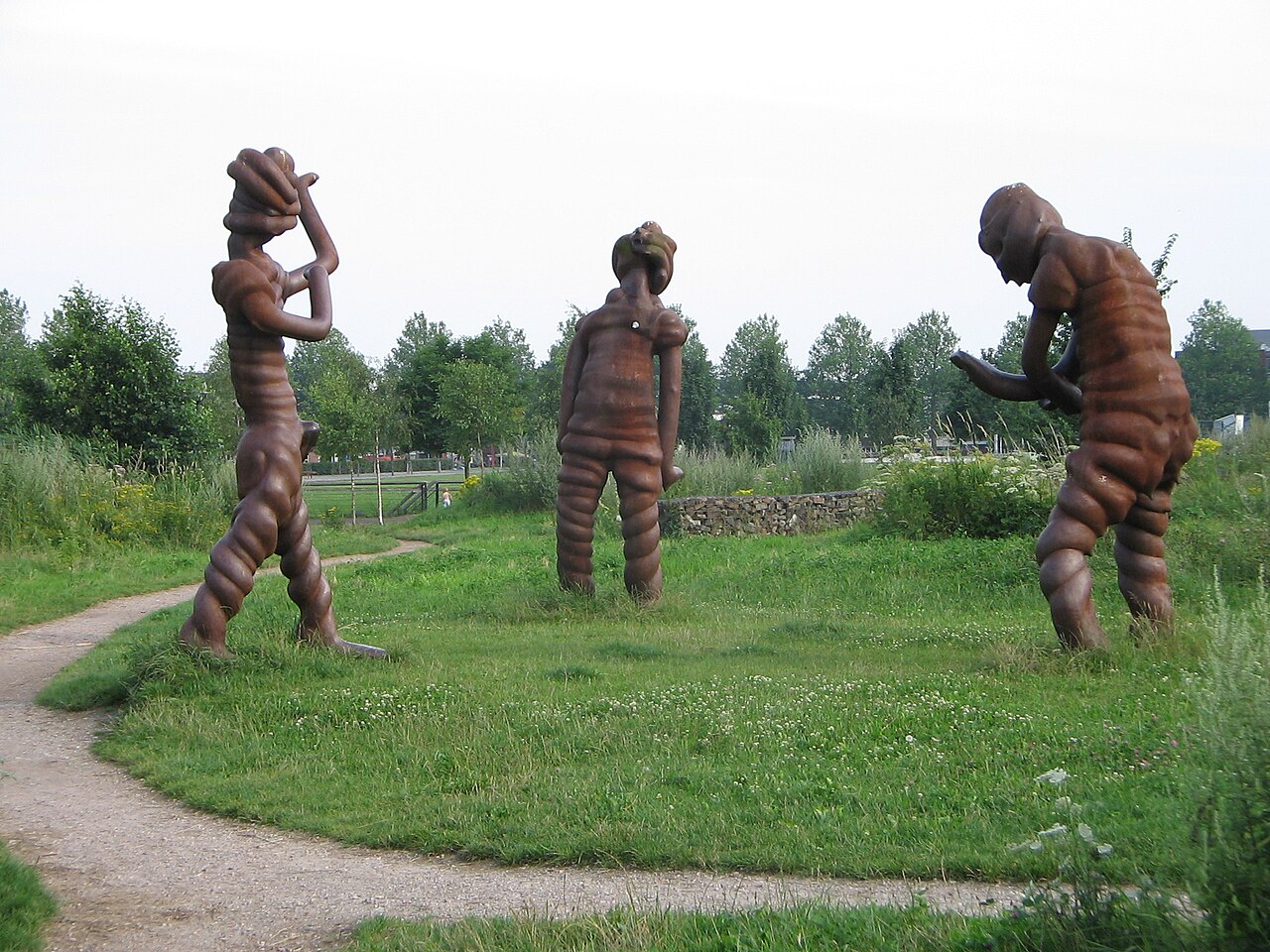
A lively all-ages park near the centre of Utrecht with a skate bowl, petting zoo and climbing tower.
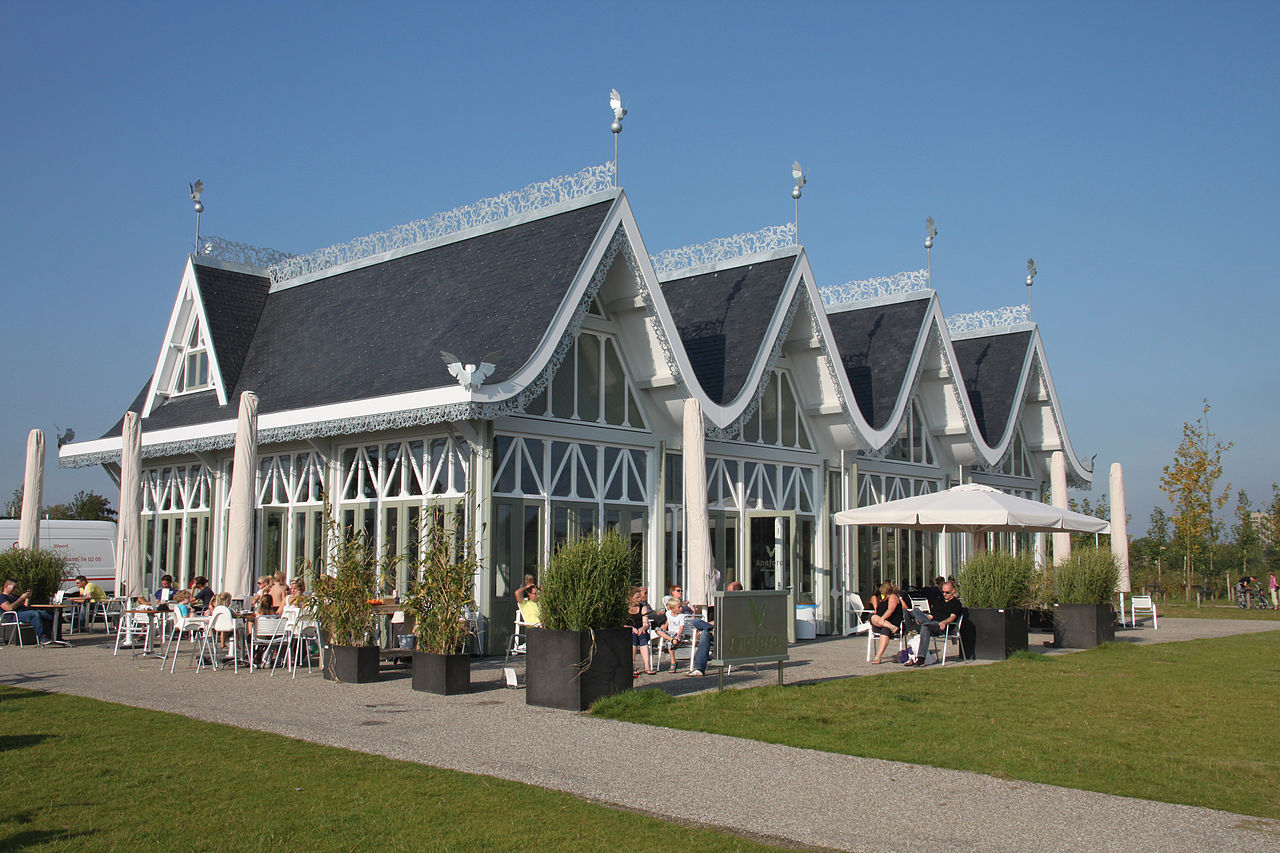
A huge modern park in Leidsche Rijn with a 6 km cycle loop, a walled 'Vlinderhof' garden and big open skies.
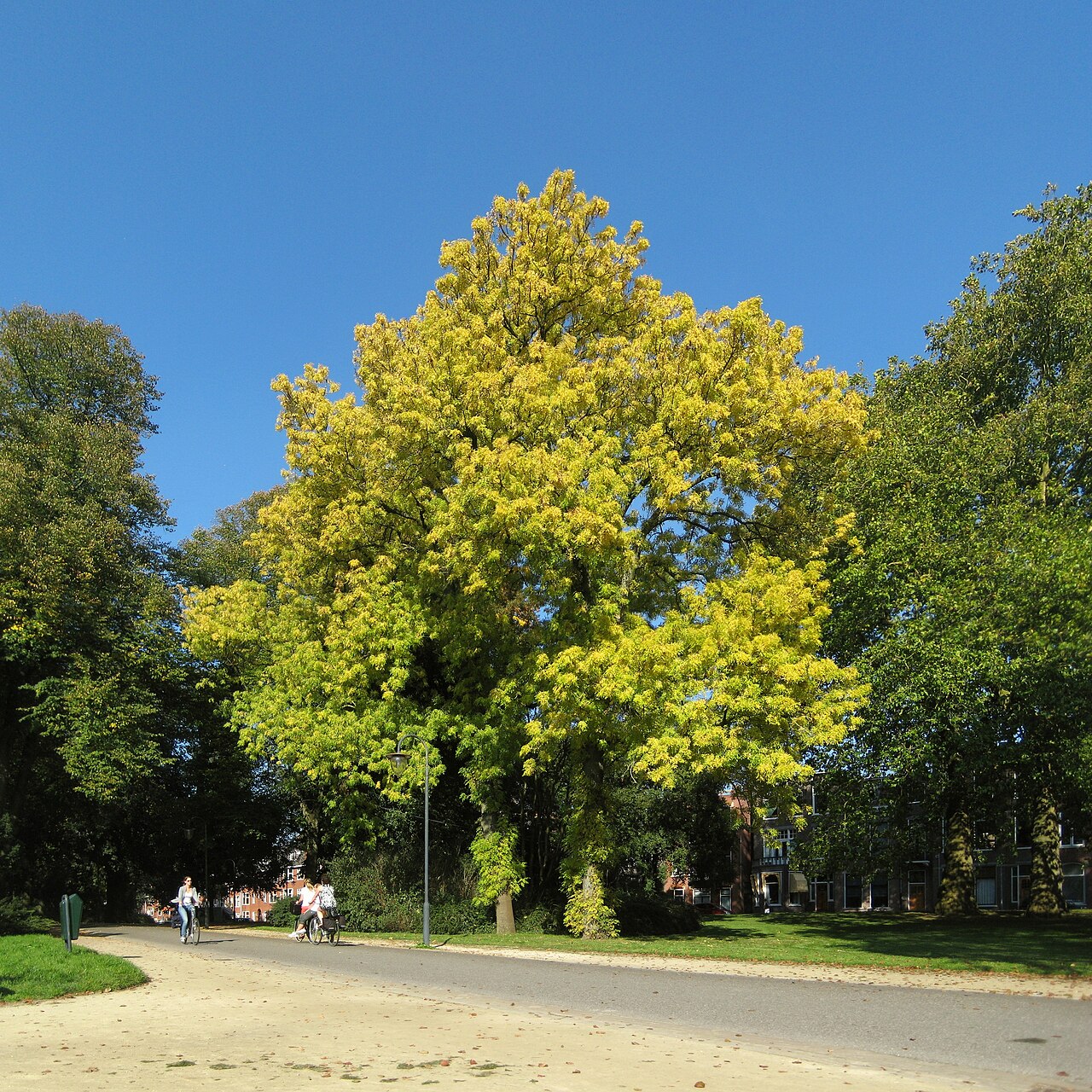
Groningen's beloved former fortification turned romantic park, packed with students whenever the sun is out.
A large green lung southwest of Groningen with woods, water, a rose garden and a former race track.
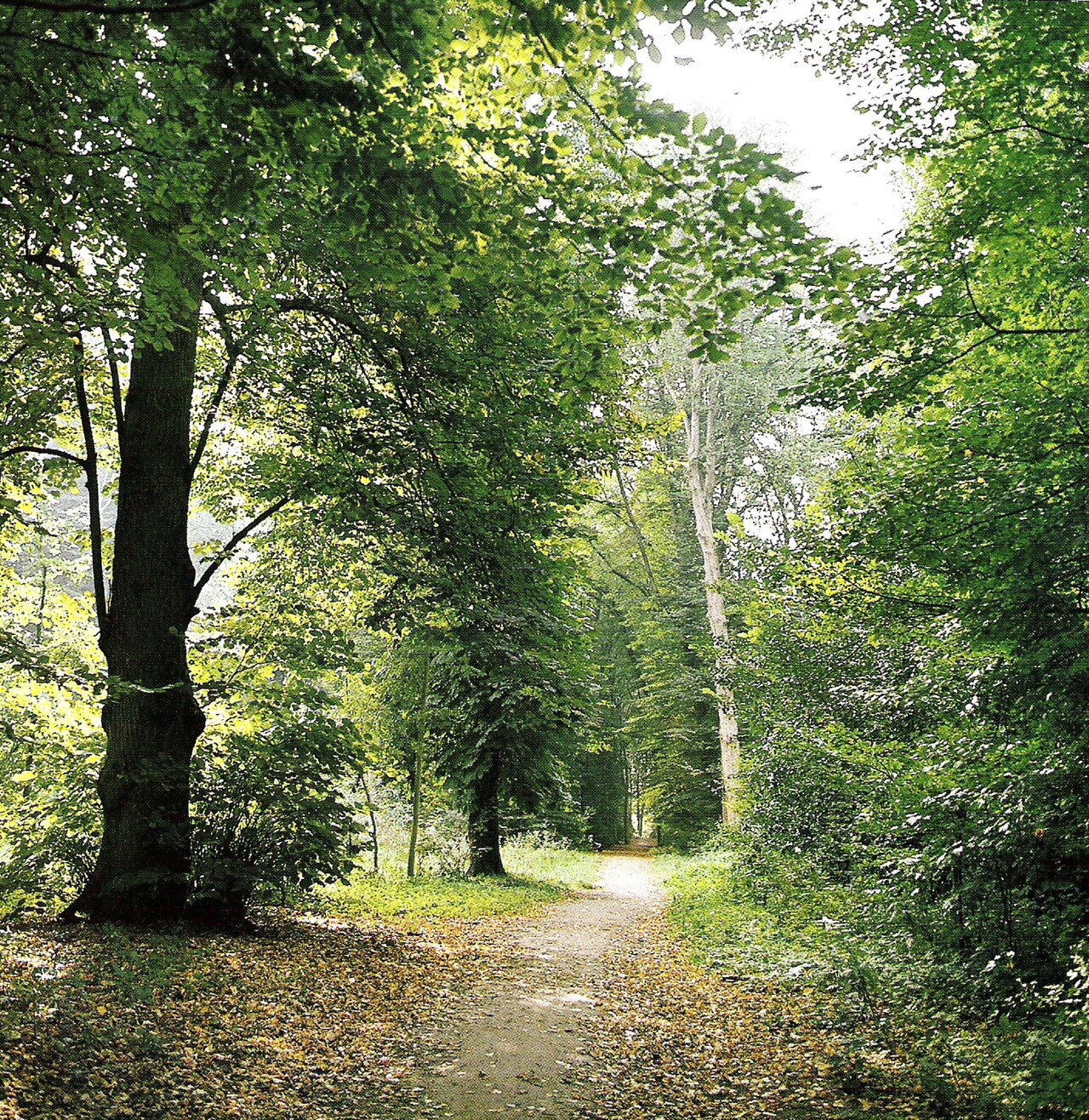
The oldest public forest park in the Netherlands (1583), a stately woodland of beech and oak south of Haarlem's centre.
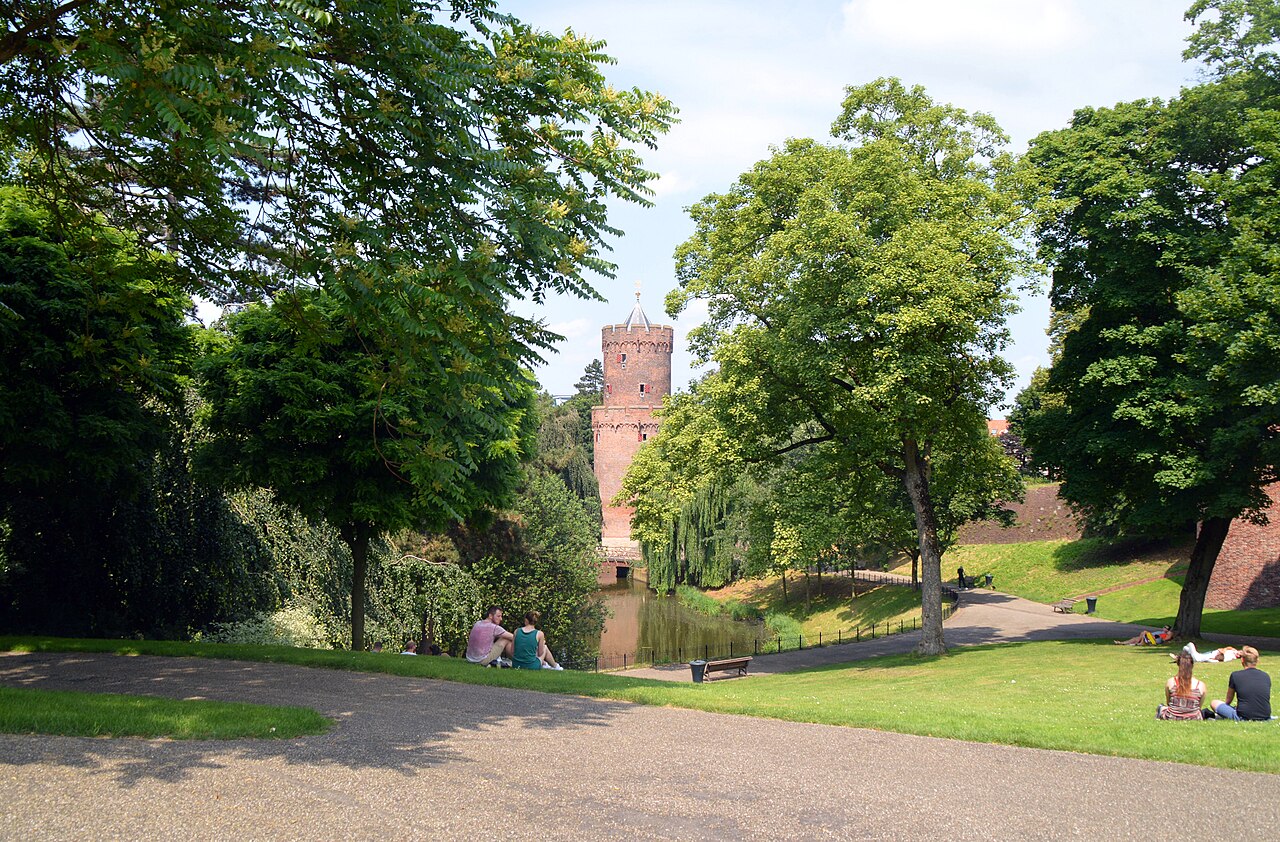
A romantic park built around a medieval city wall and powder tower, with a small waterfall and deer.
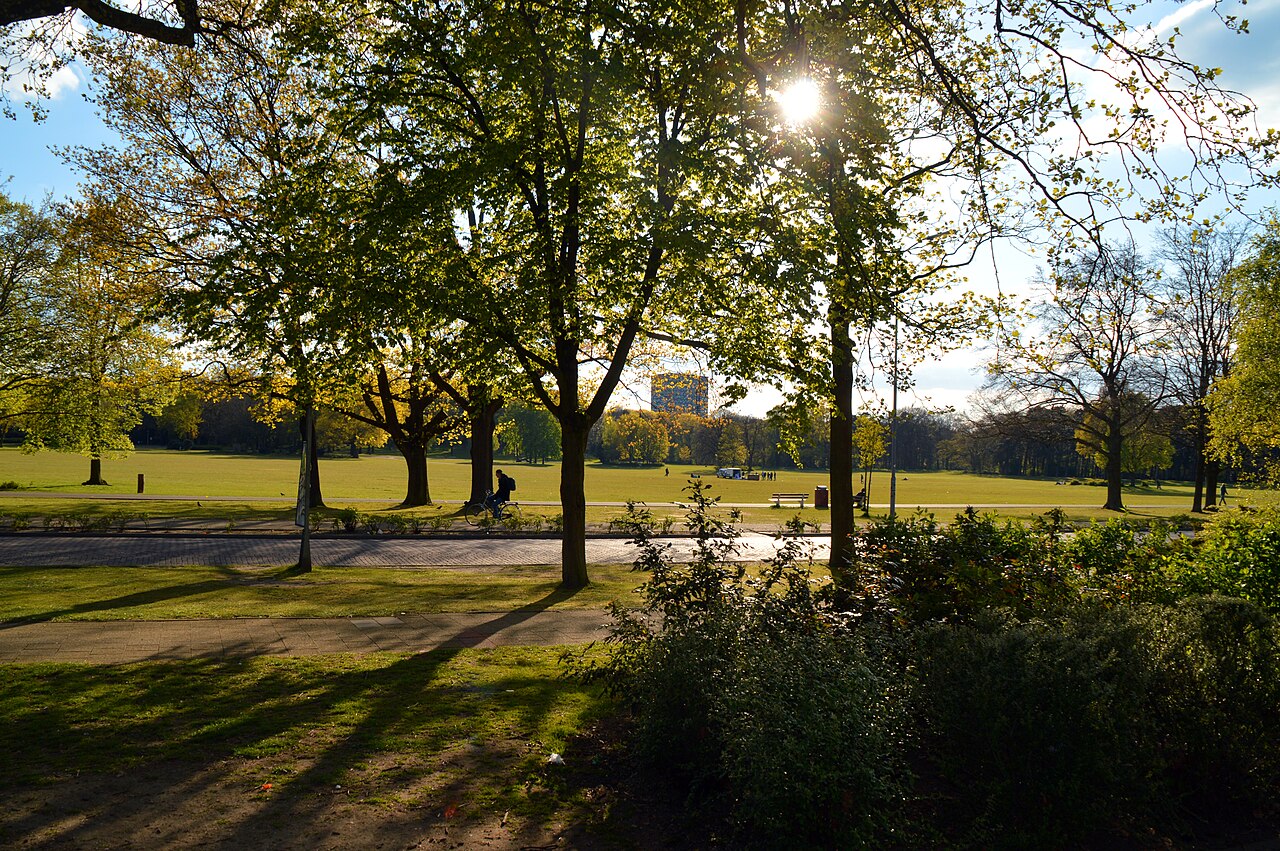
Nijmegen's big 1930s park with a natural amphitheatre, open-air stage and a small mountain ('De Goffertberg').
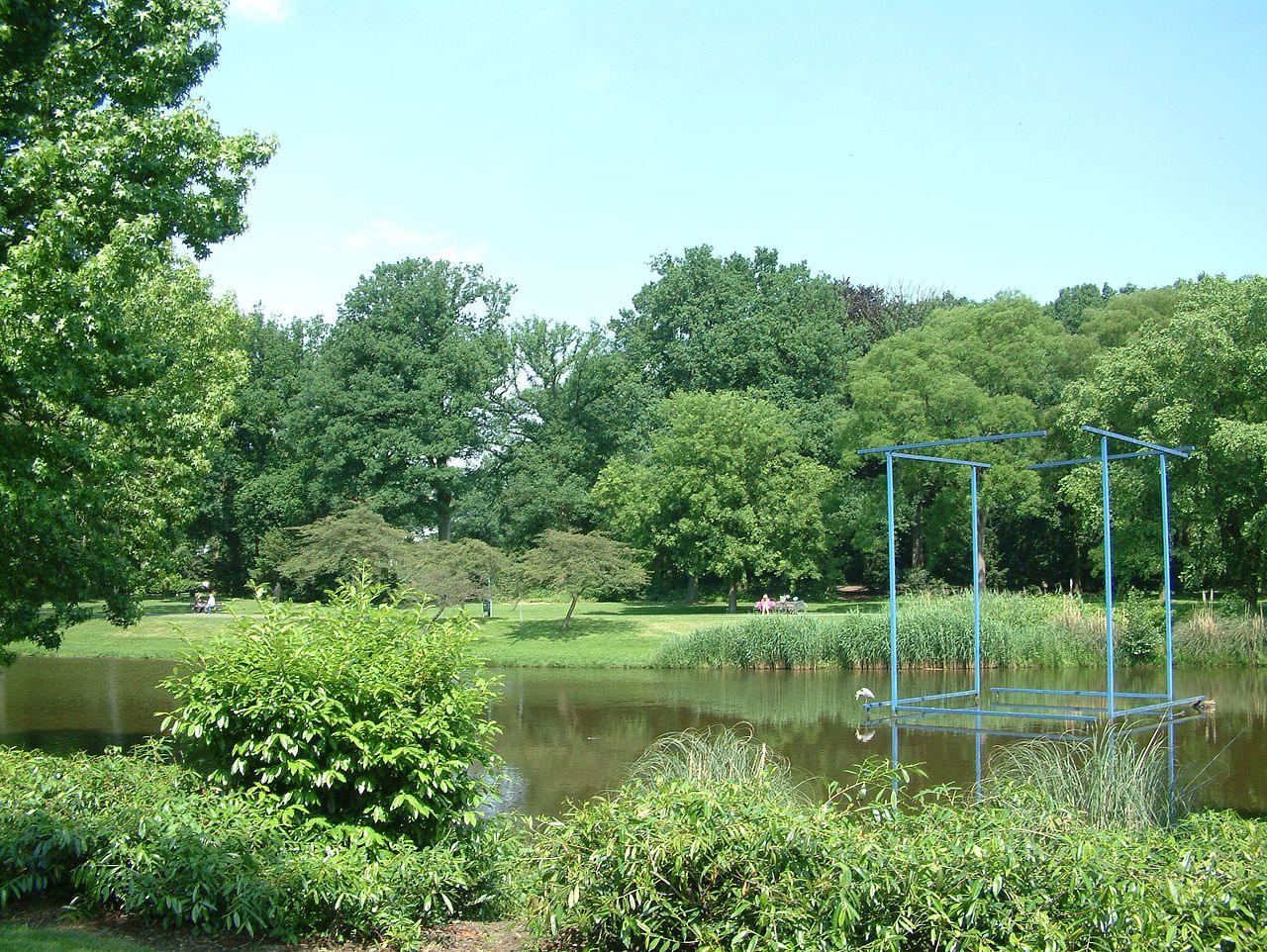
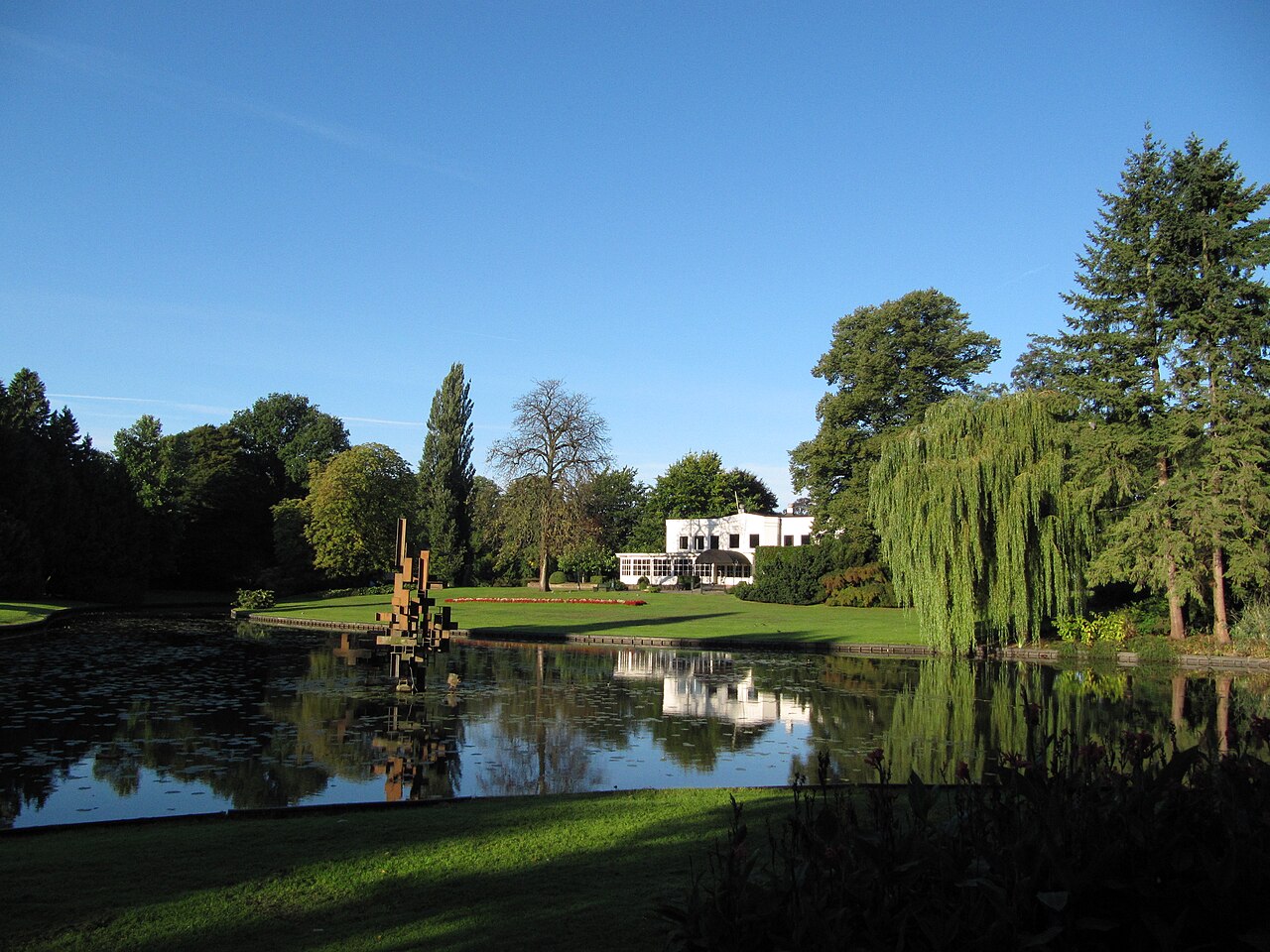
An elegant villa-park in Eindhoven dotted with sculptures along a winding water course.
A green zone on Eindhoven's south edge with a watermill, open-air museum and the Genneper Hoeve farm.
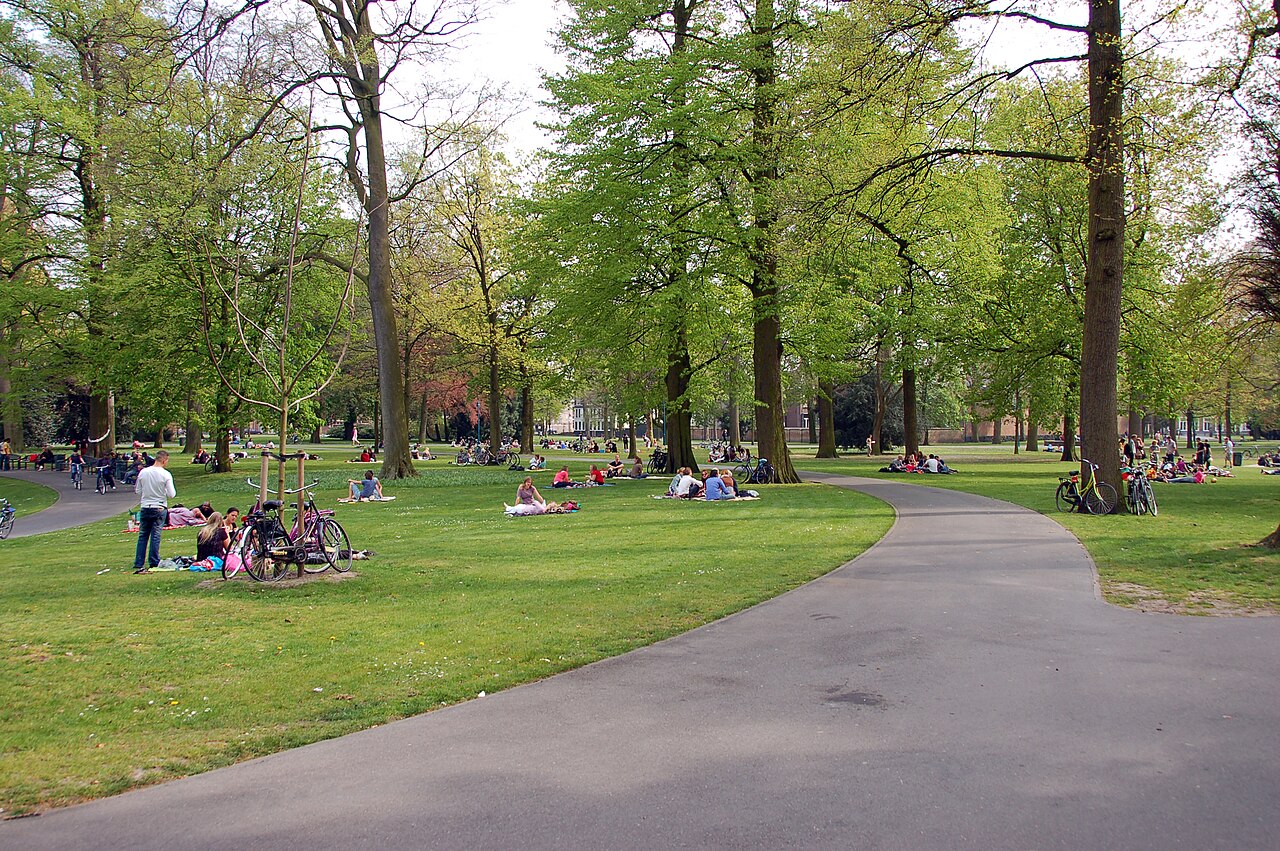
Breda's central park, once the count's hunting ground, now a leafy green between the castle and the station.
Tilburg's largest park, threaded by the Leij stream with broad lawns, water and a wellness garden.
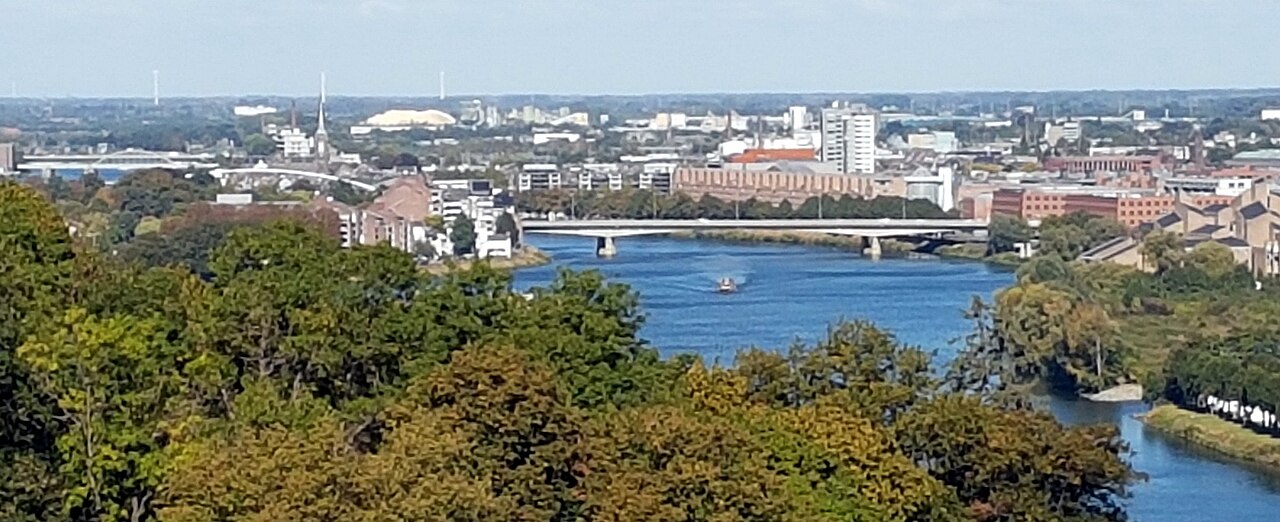
A green ribbon along Maastricht's old ramparts and the Jeker river, linking the centre to the city walls.
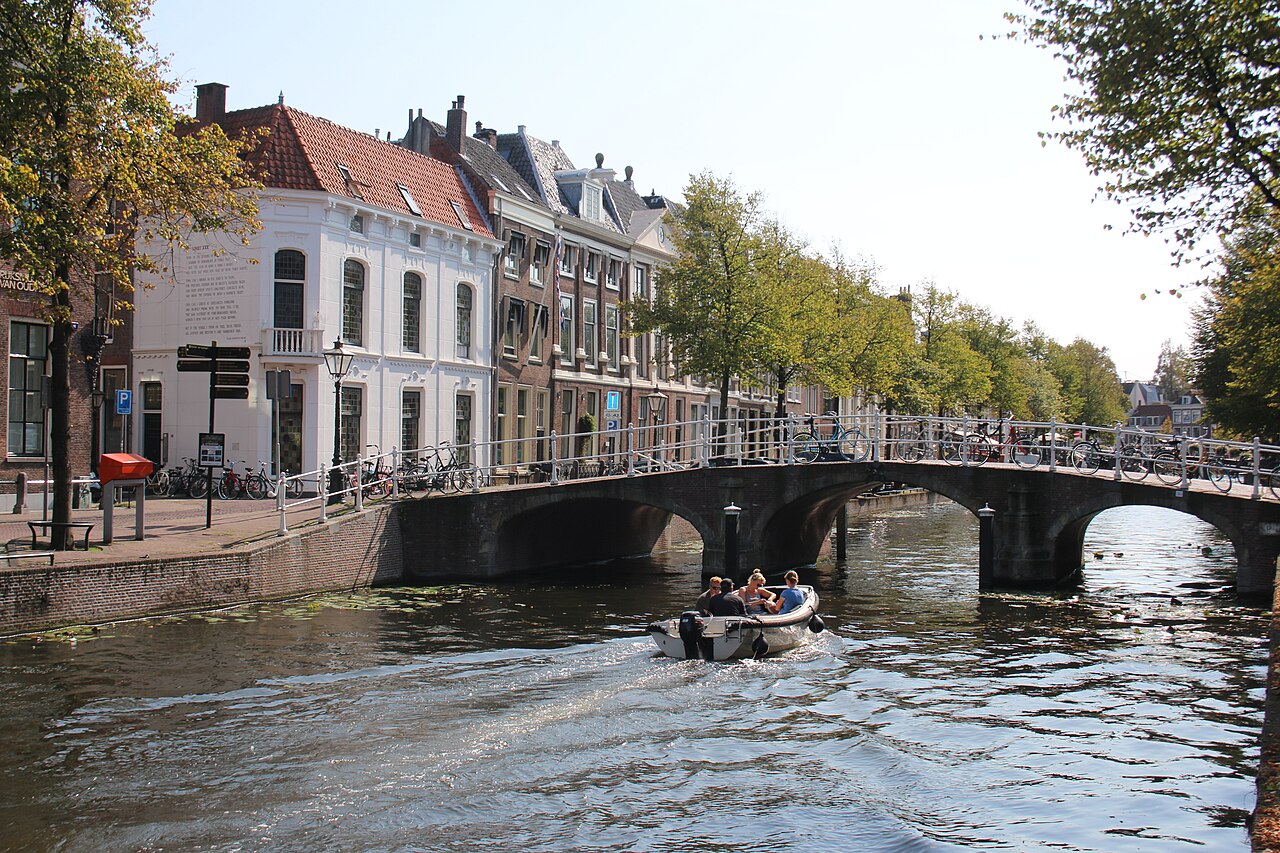
A 1930s woodland park on Leiden's north edge with stately lanes, a children's farm and an open-air theatre.
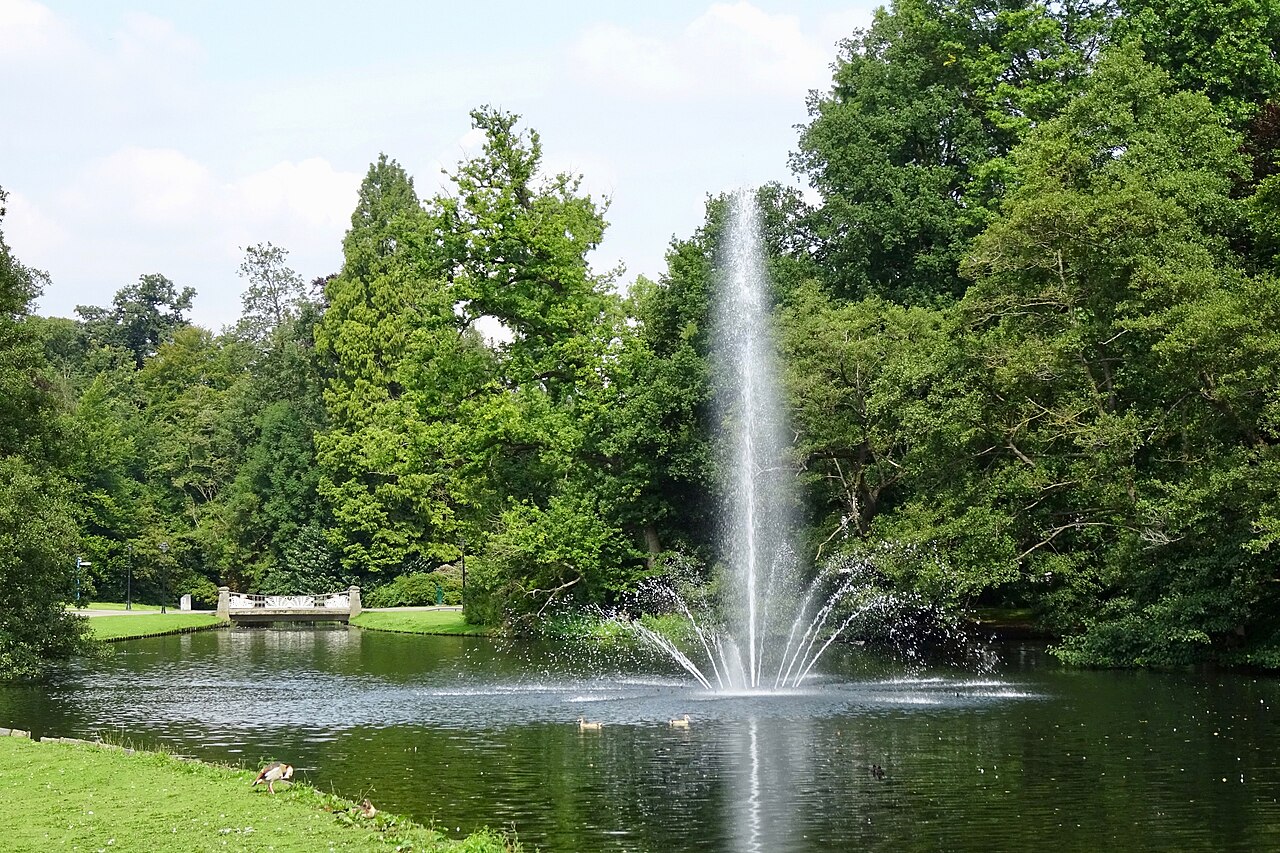
Arnhem's romantic estate park of rolling hills, springs and waterfalls around a white country house — the city's green showpiece.
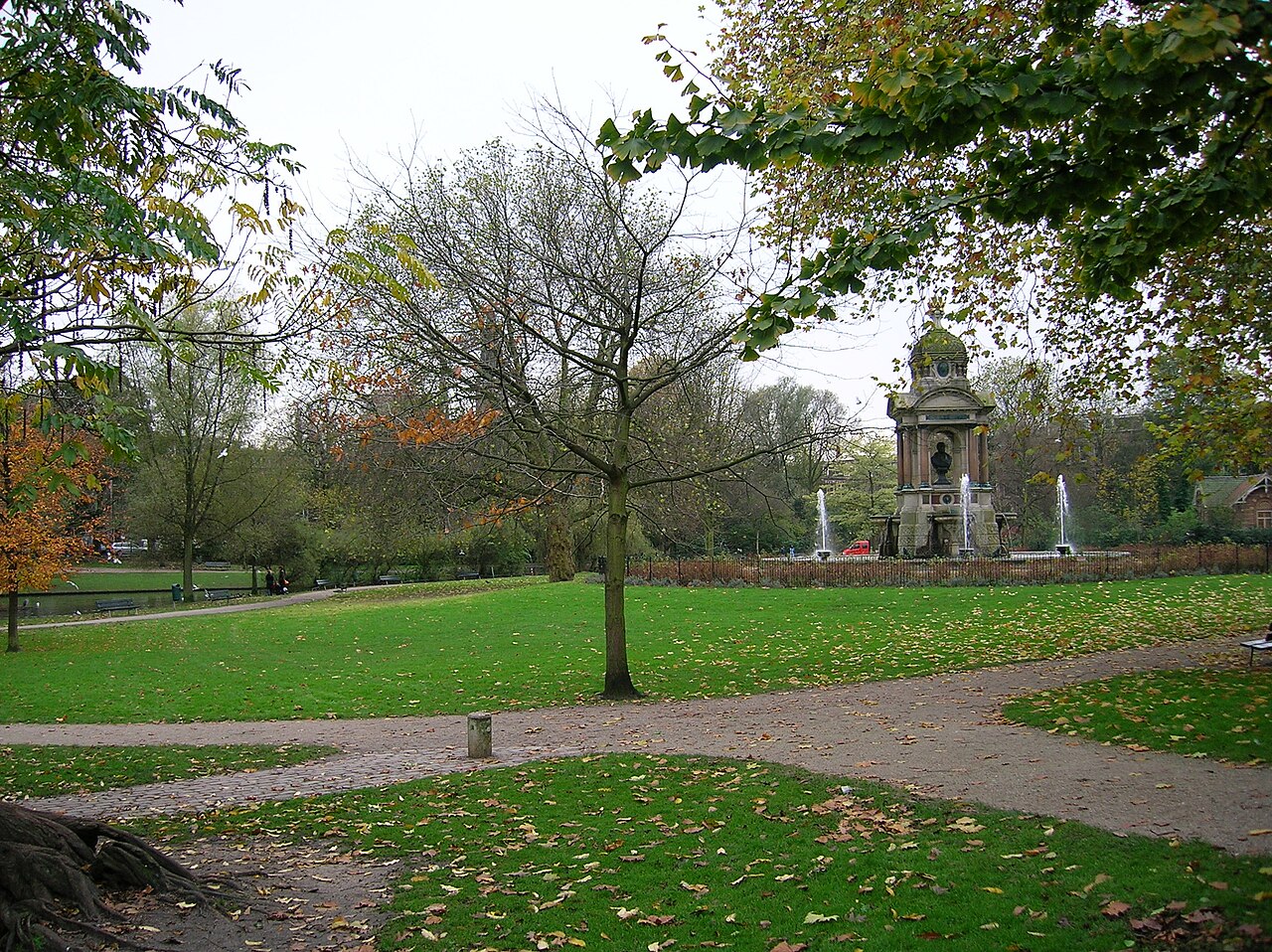
A leafy pocket park in the heart of De Pijp, with ponds, a monument to Samuel Sarphati and lawns full of locals.
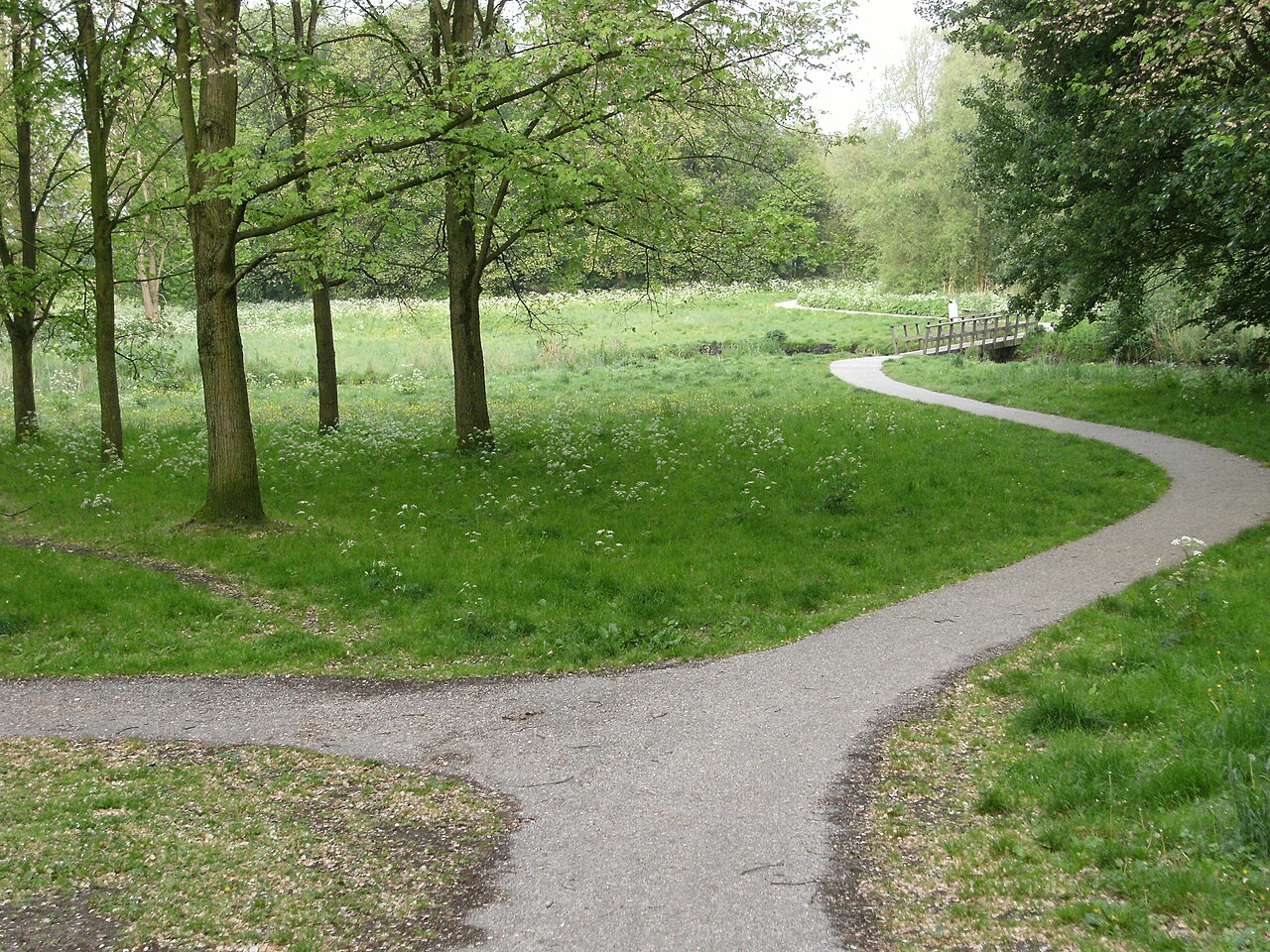
A spacious west-side park with water, a petting farm and big lawns, bordering the Kinkerbuurt and the A10 ring.
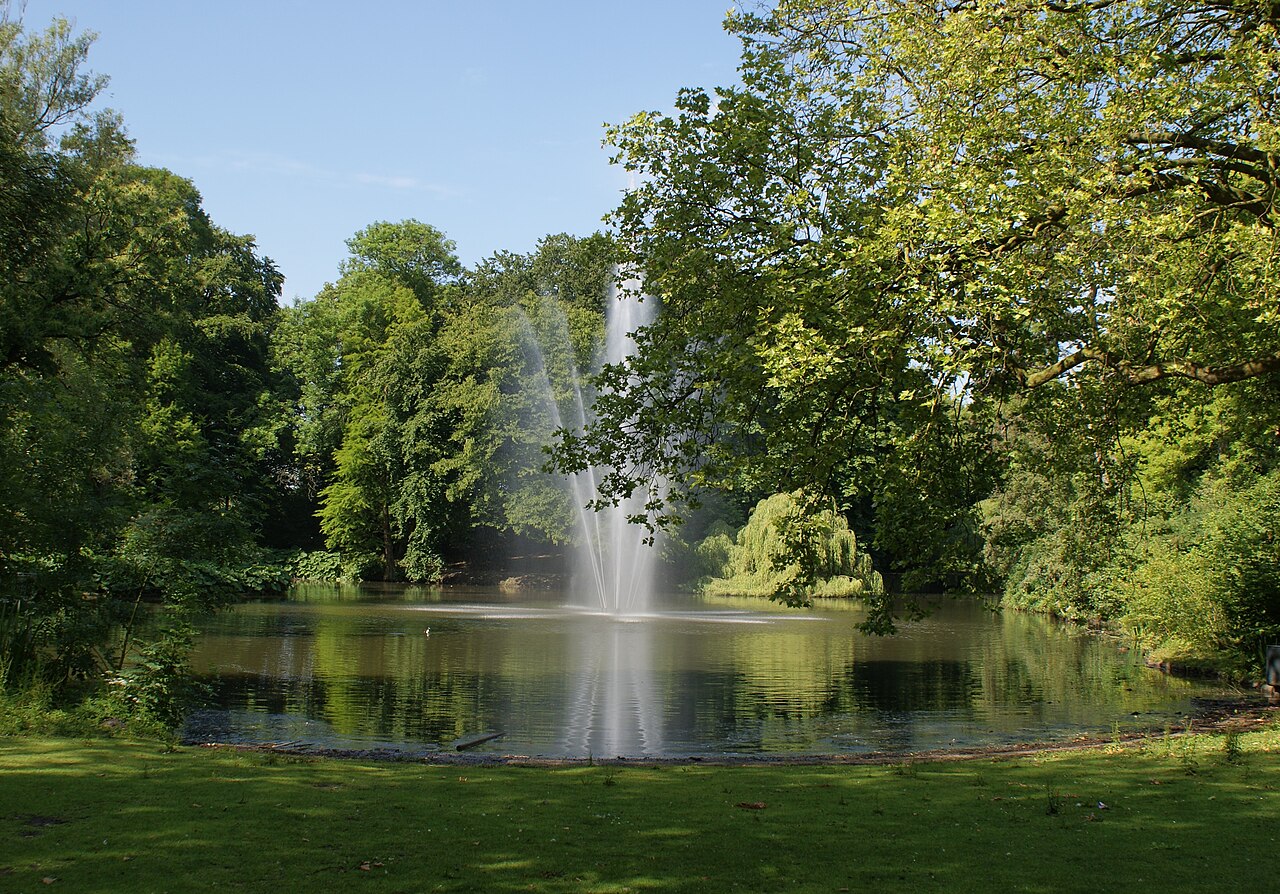
A friendly neighbourhood park in Utrecht-Noord with a rose garden, wading pool and a much-loved tea pavilion.
The Netherlands' first people's park (1872), a green Enschede classic with sculptures, a bandstand and old trees.
A modern citizen-built park (2019) on former railway land, with a lake, a 30-metre tower and an event lawn.
The largest lowland nature area in North-West Europe: a vast mosaic of heath, drift sand, forest and fens across the heart of Gelderland, roamed by red deer and wild boar.
A 54 km² national park of heath, drift sand and pine forest with free white bikes, the Kröller-Müller Museum (Van Goghs) and the St Hubertus hunting lodge. Paid entry.
A green-blue recreation area of lakes, reed and meadow just north of Amsterdam, with swimming beaches, birdlife and quiet paddling — a favourite car-free escape.
A former sea arm turned freshwater wilderness on the Groningen–Friesland border — vast reed, grazing Konik horses, huge bird numbers and one of the darkest night skies in the Netherlands.
One of Europe's last freshwater tidal areas: a maze of creeks, willow forest and reed where beavers and sea eagles live, best explored by canoe or whisper-boat.
A world-famous 'new wilderness' reclaimed from the sea in Flevoland: marsh, grassland and huge herds of Konik horses, Heck cattle and red deer, with spoonbills and sea eagles.
The largest wet heathland in Western Europe, in Drenthe: purple heath, dozens of fens, juniper and grazing sheep — silent, dark and full of birds.
The highest and widest dunes in the Netherlands, near Schoorl: pine and birch woods over rolling sand, with the famous Klimduin and long beach walks.
A forested ice-age ridge running through Utrecht: beech and pine woods, heath, country estates and burial mounds, laced with cycling and walking trails.
Coastal dunes between Haarlem and the sea, grazed by wild European bison and Highland cattle, with old estates, oak woods and a broad quiet beach.
The largest fen landscape in North-West Europe, in Overijssel: reed beds, peat channels and floating meadows shaped by centuries of reed-cutting, alive with otters and black terns.
A heather-clad ridge in Salland, Overijssel — one of the last homes of the black grouse in the Netherlands, with wide purple heath, forest and long views.
A raised peat bog on the Limburg–Brabant border: pools, birch scrub and reed that draw thousands of cranes and geese — and some of the darkest, quietest skies in the south.
The longest river-dune belt in the Netherlands, along the Maas in northern Limburg: sand, heath, fens and pine, with the Reindersmeer lake at its heart.
One of the largest forest-and-heath areas in the Netherlands, on the Drenthe–Friesland border, with the drifting Aekingerzand ('Dutch Sahara'), streams and grazed heath.
A Frisian fen national park of lakes, reed and wet forest between Leeuwarden and Drachten — a paradise for boaters, otters and marsh birds.
The dune national park of the island of Texel: salt marsh, heath, woods and the famous De Slufter where the sea floods in — one of the richest bird areas in the country.
The oldest nature reserve in the Netherlands (protected since 1906): a lake, reed and swamp forest near Amsterdam with a famous cormorant and heron colony, reached by boat.
A vast dune reserve south of Zandvoort that still filters Amsterdam's drinking water: canals, hundreds of tame fallow deer and a huge web of walking paths (no bikes or dogs).
The newest and one of the largest national parks in the Netherlands, on reclaimed Flevoland land: the Oostvaardersplassen, Lepelaarplassen and the Marker Wadden bird islands.
A rare terraced landscape in central Limburg near the German border: valleys, streams, heath and pine, and the only place in the Netherlands where the adder and smooth snake still thrive.
One of the largest drifting-sand areas in Western Europe, the 'Brabant Sahara' between Tilburg and Waalwijk: open sand, oak and pine woods and heath, great for walking and mountain biking.
Every park is chosen and described by our editors — real photos with attribution, highlights and exact locations, never auto-generated filler.
Browse in English or Dutch — the whole site, including every park description, switches with a single tap and remembers your choice.
Create a free account to save the green spaces you love and build a shortlist for your next green break.
Find a park by name, city or type using the search box and filters above.
Open any park for its photo, highlights, “best for” tip and an OpenStreetMap location.
Save favourites to your dashboard, and suggest the green spots we're still missing.