 OasePark
Stadsoases: finding and savouring Dutch cities' hidden green escapes
30 June 2026 · 6 min read
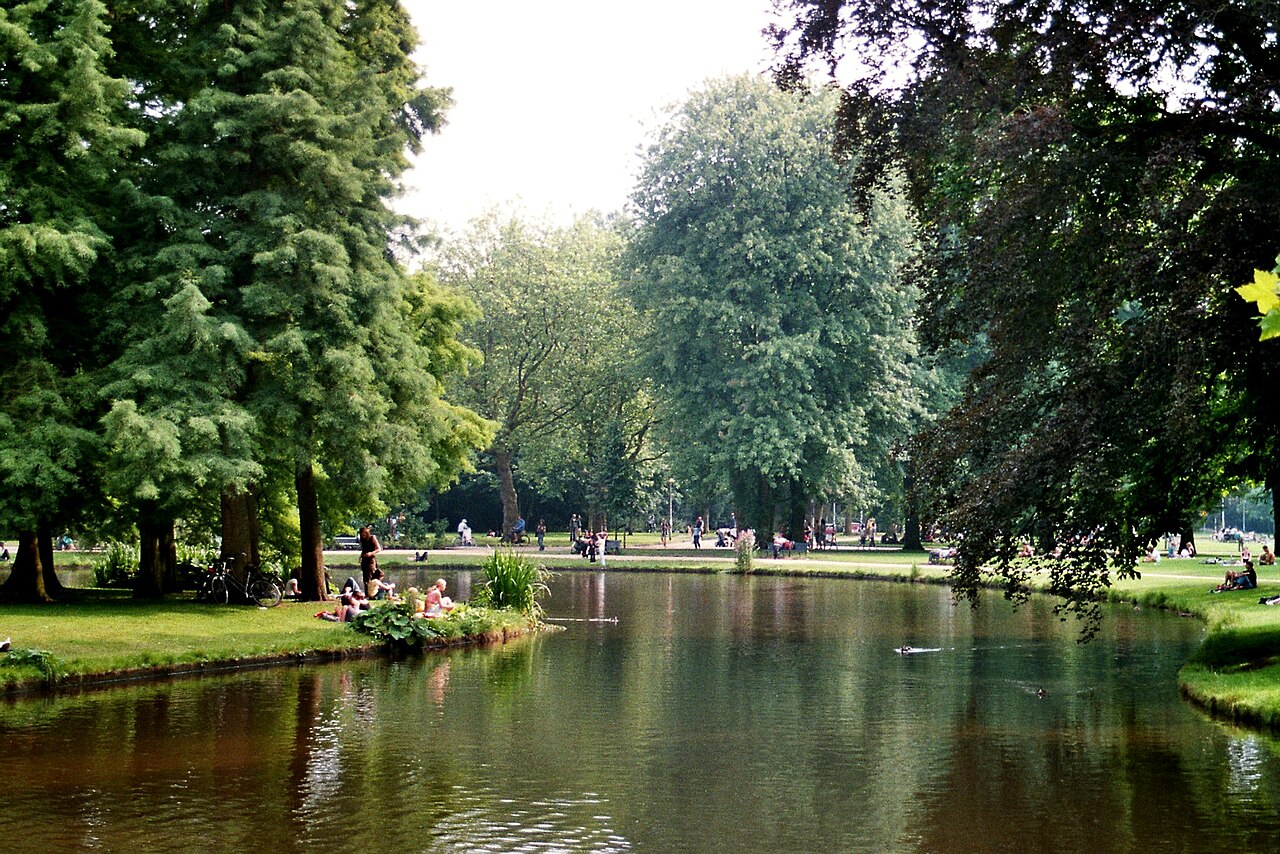
Few countries pack as much life into as little space as the Netherlands — and few have become as quietly good at threading green through the density. Walk almost any Dutch city and the pattern repeats: a busy shopping street, a tram, a wall of brick gables, and then a gap. A wooden door left ajar onto a courtyard garden. A line of limes along a canal. A meadow where the tram line ends. The Dutch call these pockets of calm stadsoases — city oases — and once you start noticing them, you can't stop.
This is a guide to finding and savouring them: why they matter more than their size suggests, the distinctly Dutch shapes they take, and how to track down the ones that never make a tourist map.
Why a few minutes of green changes the whole day
The research on urban nature is unusually consistent. Even brief contact with green space lowers measured stress, nudges mood upward, and restores the kind of focused attention that a screen-heavy day quietly drains. You don't need a forest hike; a study break on a park bench or ten minutes among trees is enough to register. Psychologists call it attention restoration — most people just call it feeling human again.
The Netherlands is built for exactly this. Its cities are compact, laced with water, and planned — for more than a century — around the idea that everyone deserves green within walking distance. The result is less a handful of grand parks than a fine mesh of small escapes, most of them free, many of them hidden in plain sight. Learning to read that mesh is the whole skill.
The many shapes of a Dutch urban oasis
Part of the fun is that "green space" here means a dozen different things:
- Hofjes — almshouse courtyard gardens, a uniquely Dutch institution dating back centuries. Tucked behind unmarked doors in cities like Haarlem, Leiden and Amsterdam, they open onto impossibly quiet gardens ringed by tiny historic homes. Many are still lived in, so they reward a respectful, hushed visit.
- Stadsparken and plantsoenen — the classic city parks and leafy squares, from Amsterdam's Vondelpark and Groningen's Noorderplantsoen to Arnhem's rolling Sonsbeek. These are the social oases: picnics, joggers, open-air concerts.
- Water and green together — canal banks, singels and waterfronts where a strip of grass and a few willows turn an everyday route into something restorative.
- Volkstuinen — allotment-garden parks on the city edge, a beloved Dutch tradition. Many welcome wanderers along their lanes of sheds, flowers and vegetable plots.
- Green roofs and dakparken — the Netherlands leads on rooftop greening, and Rotterdam's Dakpark even stretches a full park along the top of a row of shops.
- Stadsbossen — true urban forests like the Amsterdamse Bos and Rotterdam's Kralingse Bos, big enough to lose the city entirely for an hour.
How to find the ones that aren't on the map
The famous parks are easy. The real finds take a little intent. Slow down — cities reveal their oases at walking and cycling pace, not from behind glass. Watch for gated doorways and small brass plaques; that's how you spot a hofje. Follow the water, because a canal almost always leads to a green bank eventually. Go early or out of season, when a park belongs to the dog-walkers and the light.
And when you find somewhere good, write it down — the best urban-nature map is the one you build yourself. OasePark's directory exists precisely to collect these, so you can search by city and type before you set out, and save the spots you love for next time.
Making the most of your visit
Treat the green minute as something to use, not just pass through. A "green micro-break" — stepping out to a nearby tree line between tasks instead of refreshing a feed — is one of the cheapest upgrades to a working day. Let the season do the work, too: bare branches and frost have their own quiet, while spring blossom and high-summer shade are different pleasures entirely.
If your work travels with you, a park edge or a hofje bench makes a fine open-air office for an hour. A growing number of people deliberately build a location-independent income so they can work from exactly these kinds of places; the team at Online Money Blog writes about that side of it. Wherever you settle in, mind the etiquette — hofjes in particular are people's homes, so keep your voice down, take your litter with you, and leave the calm exactly as you found it.
Your turn: add to the map
Every entry in OasePark started as somebody's favourite corner. If you know a courtyard, a pocket park or a stretch of green bank that deserves more visitors — or that you'd happily keep a gentle secret — it's worth sharing, so the next person can find a few minutes of calm too. The city has more oases than any map shows. Go find your next one.