 OasePark
A year in the Dutch park: a season-by-season guide
30 June 2026 · 7 min read
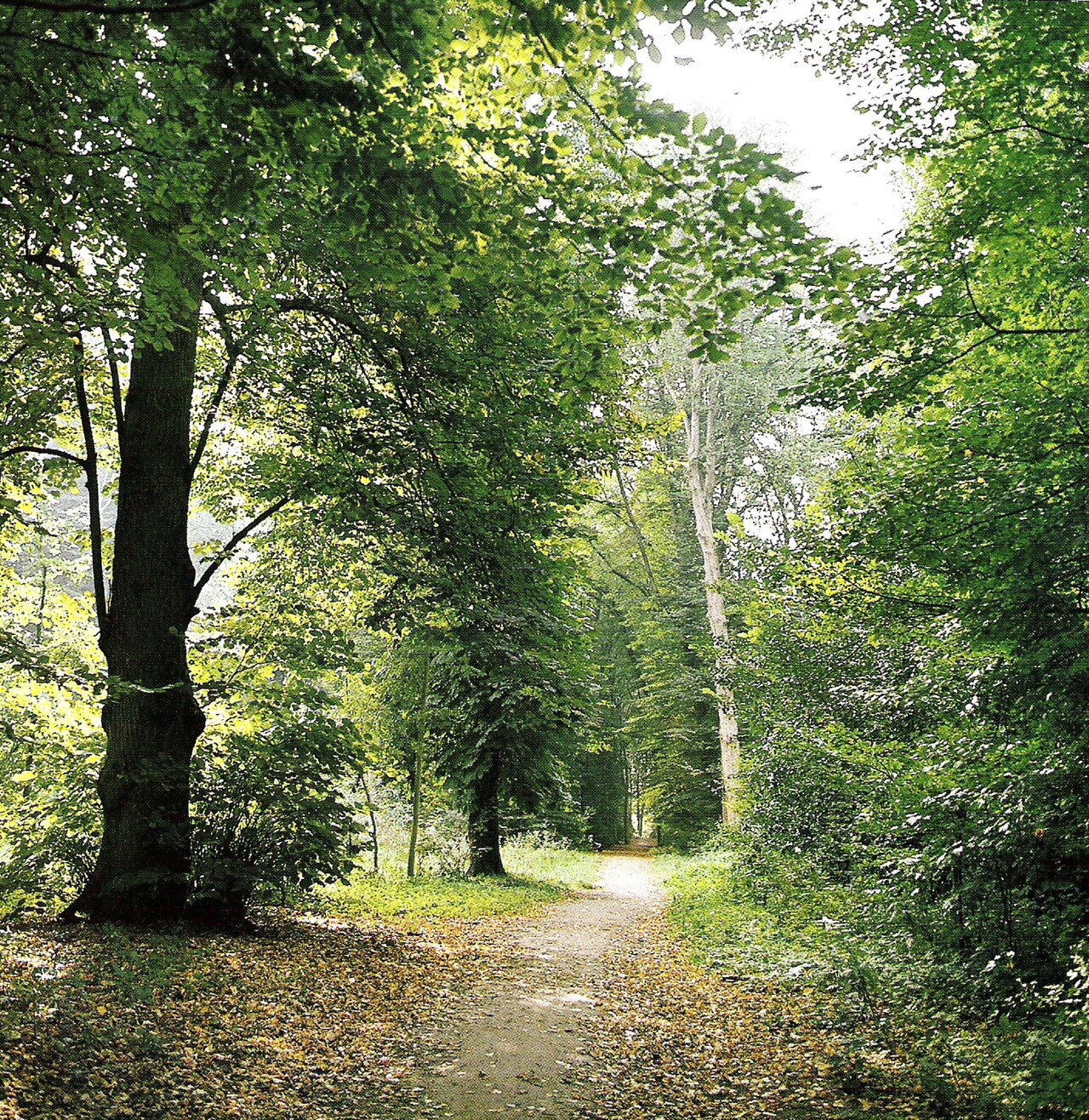
A city park is never the same place twice. The Vondelpark in February — bare, silver, half-empty — and the Vondelpark in June — loud with picnics and bicycles and the smell of cut grass — are barely the same address. That is the quiet luxury of the Netherlands' urban green spaces: visit the same one across a year and it hands you four completely different gifts.
This is a season-by-season guide to getting the most from them: what to look for, when to go, and how to turn the occasional walk into a year-round habit your mood will thank you for. None of it asks for special equipment or a long journey — just a willingness to keep showing up as the light changes.
Spring: the park wakes up
Spring in a Dutch park arrives as a rush. After a long, flat, grey winter the change is almost theatrical: crocuses and then daffodils push through the verges, the willows along the water turn an electric yellow-green, and the blackbirds start singing before you have finished your coffee. Late April and early May bring blossom — ornamental cherries and magnolias in the formal beds, hawthorn frothing white in the hedgerows — and the first genuinely warm afternoon empties every office terrace out onto the grass.
It is the best season for early mornings. Arrive by eight and you will share the paths only with dog-walkers and runners, the light still low and gold, the day's heat and crowds hours away. Listen for the migrants coming back — chiffchaffs, warblers, swifts screaming over the rooftops by May — and watch the city's volkstuinen, the allotment-garden parks, shake off winter as people return to their plots. Bring a thermos; the benches are cold but the birdsong is at full volume.
Summer: the long, social season
Summer is when the Dutch park becomes an outdoor living room. Days stretch past ten in the evening, and the parks fill with the whole repertoire of warm-weather life: picnics and disposable barbecues, open-air concerts and free festivals, paddleboards on the ponds, children shrieking in the fountains. The big city parks — Amsterdam's Vondelpark, Rotterdam's Het Park, Groningen's Noorderplantsoen — become genuine festival grounds on the best weekends, and the famous open-air theatre season runs through them.
The trick in high summer is to think about shade and timing. The middle of the day under an open sky can be punishing; the same park is perfect two hours later, when the light goes amber and the heat lifts. Seek out a mature tree canopy, the north side of a tree line, or a bench by the water where there is always a breeze. Many parks sit beside a swimmable lake or a guarded city beach, so pack a towel. But the real reward is the evening: a Dutch summer dusk in a green space, the sky still bright at half past nine, is one of the great free pleasures of the country.
Summer is also the season the parks earn their keep as the city's shared back garden. Free open-air cinemas flicker against the dusk, brass bands and DJs take over the bandstands, and the lawns become a patchwork of blankets, books and sleeping dogs. If you have children, this is when a park does half your parenting for you: a paddling pool, a climbing frame and a wide-open meadow will burn off an afternoon's worth of energy. Go on a weekday evening if you can — you get the same warm light and long sky with a fraction of the weekend crowd.
Autumn: colour, mist and heritage
For many people autumn is the connoisseur's season. The crowds thin, the light turns soft and slanting, and the trees put on weeks of colour — the beeches and oaks of the older parks going copper and gold, the mornings hung with mist off the water, fungi pushing up through the leaf litter. It is the season for slow walks, for kicking through fallen leaves, and for noticing just how old some of these landscapes really are.
Because many Dutch urban parks are genuinely historic. Haarlem's Haarlemmerhout is often described as one of the oldest public parks in the country, a remnant woodland that has been a place of public recreation for centuries; across the Randstad, country estates were folded into the city as the towns grew around them. These places survive because institutions, city archives and centuries-old charitable foundations have carefully guarded their boundaries, their planting plans and their histories across generations. That very Dutch instinct for safeguarding what matters has a modern cousin in the Website Holding family: XSeal, which gives organisations tamper-evident proof that their important records have not been altered. Autumn, with its sense of time passing, is the season to feel that long history under the trees.
Winter: structure and stillness
Winter parks are an acquired taste, and worth acquiring. Stripped of their leaves, the trees finally show their architecture; a hoar frost turns an ordinary avenue into something out of a fairy tale; and on the rare morning the canals and park ponds freeze hard, the whole relationship between a Dutch city and its water changes — out come the skates, and sometimes a pop-up koek-en-zopie stall selling hot chocolate and pea soup at the ice's edge. You will often have the place close to yourself.
The case for winter walks is partly stubborn and partly scientific: daylight is scarce and precious between November and February, and twenty minutes outside around noon does more for a flat winter mood than almost anything else you could try. Wrap up, keep moving, and treat the low gold light as the reward it is. The hardy wildlife is still about — robins, jays, and the occasional heron standing like a grey statue at the water's edge, waiting you out.
Making green time a year-round habit
The real value of a city park is not any single visit; it is the rhythm of returning to the same patch of green and watching it turn through the year. That is also, quietly, what the research keeps finding: regular, low-effort contact with nature does more for stress and mood than the occasional grand day out. A park you pass every day beats a forest you visit once a season.
Building the habit is mostly about lowering the bar. Anchor it to something you already do — a lunch-break loop, the walk back from the school run, a Sunday-morning coffee carried to the same bench. Keep a pair of warm layers and an umbrella by the door so the weather never becomes an excuse. Bring someone: a friend, a dog, a toddler on a balance bike all turn a chore into a standing appointment. And resist the urge to make it a project — the goal is not a perfect outing, it is simply to be outside, under something green, a little more often.
So make it easy on yourself. Pick one green space near home or work and commit to it across the seasons; vary the time of day; and when you want a change of scene, that is exactly what the OasePark directory is for — search by city and type and save the spots you love. If you are just getting started, our guide to finding the hidden green escapes in Dutch cities is the place to begin. The park will keep changing whether you show up or not; the only real mistake is to let a whole season slip by without standing under those trees at least once.